


Supporting Clarifiers & Sedimentation Basins
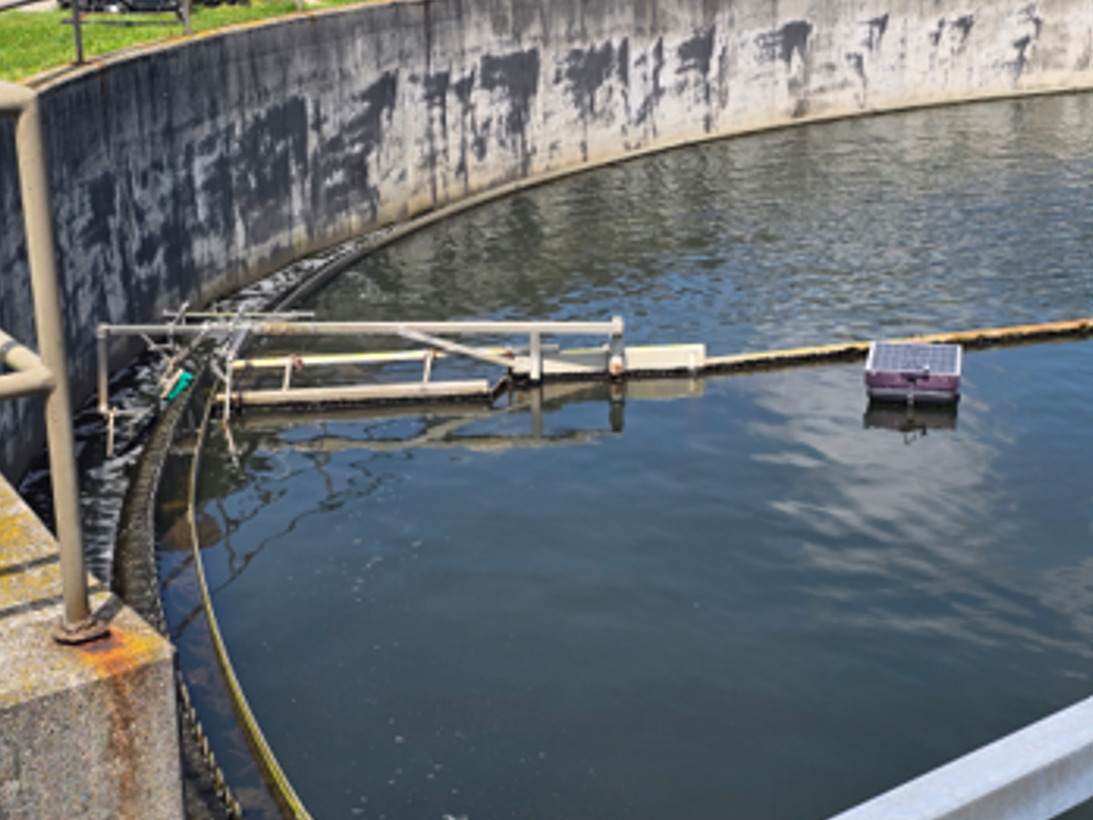
Clarifiers and sedimentation basins are essential components of water and wastewater treatment systems, where algae growth can impact process efficiency and increase maintenance requirements. The Quattro DB product line provides a non-chemical technology option that can be incorporated into broader treatment strategies. Designed for continuous operation and remote monitoring, these systems help operators maintain cleaner basin conditions while reducing reliance on routine chemical applications. With flexible deployment options and energy-efficient operation, Quattro DB solutions support long-term operational performance across clarifiers, settling basins, and sedimentation facilities.
Products Built for Clarifier & Sedimentation Basin Professionals
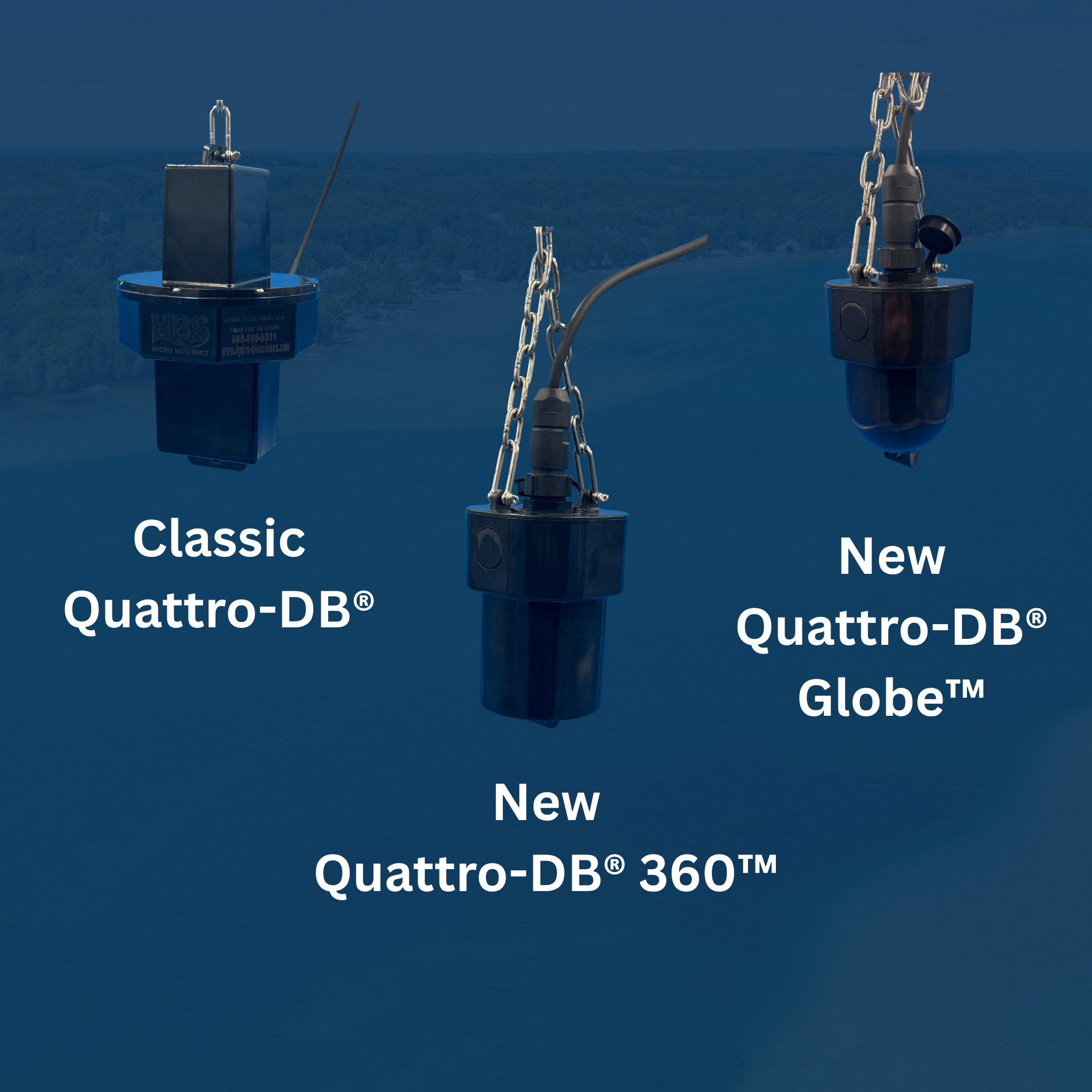
SunSonix™
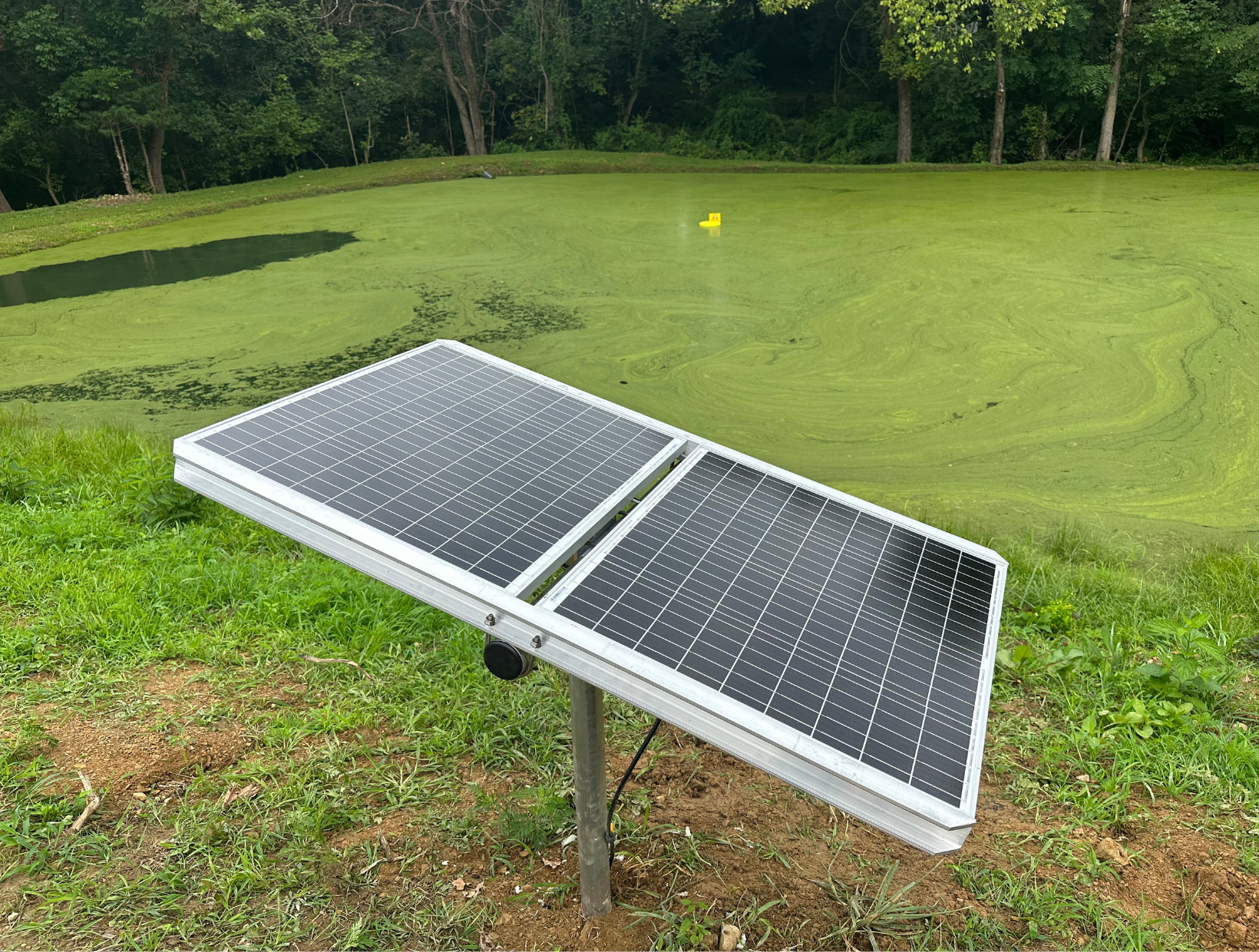
Up to 200W Land Solar With Algae Remediation GPS Telemetry Water Quality Monitoring Battery Energy Storage.
Learn MoreContact our Team
Our algae management division of Diversified Power International, LLC was established in 2016. We research, develop and continually improve on the only world-wide patented Ultrasonic technology for algae & biofilm management. With great improvements to previous technology, our products now far exceed the effectiveness of other Ultrasonic products on the market and at considerably less expense. In 2021, Hydro Bioscience, LLC established itself as a separate company to better handle focus, growth, and expansion.
Latest Case Studies


Frequently Asked Question
We’ve answered some frequently asked questions below, that will help you learn more about Ultrasonic technology and how it can benefit your application.
Our ultrasonic algae management systems are used across a wide range of industries including water treatment, wastewater treatment, power generation, agriculture, aquaculture, mining, manufacturing, stormwater management, recreational water facilities, and municipal water infrastructure.
Yes. Ultrasonic technology has been successfully used worldwide to reduce algae growth and improve water quality. By targeting algae at the cellular level, ultrasonic treatment helps prevent blooms before they become a problem while reducing reliance on chemical treatments.
Our systems are effective against many common forms of algae, including:
- Blue-green algae (cyanobacteria)
- Green algae
- Filamentous algae
- Planktonic algae
- Certain nuisance algal species associated with harmful blooms
Performance varies depending on water conditions, nutrient levels, and environmental factors.
Ultrasound can be an effective component of a harmful algal bloom management strategy. It helps disrupt the growth and reproduction of cyanobacteria, reducing the likelihood of bloom formation when combined with proper water management practices.
Yes. Our systems operate within frequencies and power levels designed to target algae while remaining safe for fish, aquatic plants, zooplankton, and other aquatic organisms when installed according to specifications.
Yes. Ultrasonic algae control is commonly used in drinking water reservoirs, raw water storage ponds, and source water applications because it does not introduce chemicals into the water.
Many facilities significantly reduce their chemical usage after implementing ultrasonic treatment. While every application is different, ultrasonic technology often becomes a primary algae management tool and can reduce dependence on algaecides and other chemical treatments.
Ultrasonic algae management systems are designed for continuous operation with minimal maintenance. Periodic inspections and occasional cleaning of transducer heads may be recommended depending on site conditions.
Most installations are straightforward and can be completed with minimal disruption to facility operations. Systems can be mounted on shorelines, floating platforms, docks, structures, or existing infrastructure depending on the application.
The number of units required depends on factors such as:
- Surface area
- Water depth
- Shape of the water body
- Algae severity
- Water circulation patterns
- Site-specific conditions
Our team performs a site assessment to determine the optimal system configuration.
Results vary by application and environmental conditions. Some facilities observe noticeable improvements within a few weeks, while larger or heavily impacted systems may require several months to achieve optimal control.
No. Properly installed ultrasonic algae control systems are designed to target biological activity within the water column and do not interfere with pumps, instrumentation, monitoring equipment, or electrical systems.
Yes. Many installations operate continuously throughout the year to provide ongoing algae prevention and water quality management.
Environmental conditions can influence algae growth and treatment timelines, but ultrasonic systems are designed to operate in a wide range of weather conditions, including heat, rain, wind, and seasonal changes.
The ultrasonic signal disrupts critical cellular functions within algae, preventing growth and reproduction. Existing algae gradually break down through natural biological processes within the aquatic ecosystem.
Many of our solutions can be integrated with remote monitoring platforms, allowing operators to monitor system status, performance, and operational data from anywhere.
Many facilities realize savings through:
- Reduced chemical usage
- Lower labor requirements
- Fewer algae-related operational disruptions
- Improved water quality
- Reduced maintenance costs
- Extended equipment life
The exact ROI depends on the application and current algae management costs.