
Pond Trade Magazine | Chemical-free Algae Treatment Using Ultrasonic Technology
As the world pushes forward looking for eco-friendly alternatives that preserve the environment, technology already exists that provides a safe, effective and efficient means of algae control and remediation. This article will explain how ultrasonic technology works, some of the research behind the technology and the benefits.
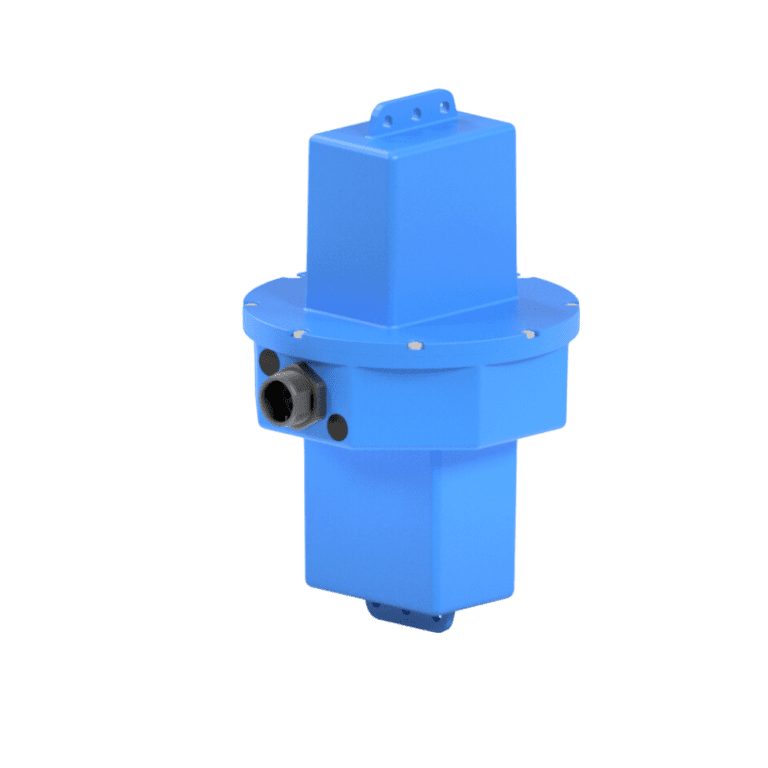
What is Ultrasonic? Ultrasonic units are electrical units that emit specific ultrasonic soundwaves in frequency ranges utilizing low-wattage power and low-wattage amplifiers. Sealed within a water-resistant polymer, the interior components are powered in one of three ways: 120/220-volt AC, 24-volt AC/DC, or solar power units on shore or mounted to a pontoon.
As the world pushes forward looking for eco-friendly alternatives that preserve the environment, technology already exists that provides a safe, effective and efficient means of algae control and remediation. This article will explain how ultrasonic technology works, some of the research behind the technology and the benefits.
Blue-green algae typically look like a green surface coating that you see on a pond or lake from the late morning until the early evening, disappearing when the sun goes down. Blue-green algae cause harmful algae blooms that can cause harm to people and even kill livestock, pets and a variety of other aquatic and non-aquatic life forms. As a defense mechanism, when attacked, blue-green algae release a variety of toxins to defend themselves, including endotoxins, neurotoxins and hepatotoxins that target the skin, central nervous system and liver, respectively.
When using chemicals to treat blue-green algae, the chemicals lyse, or break, the outer cell wall of the alga, causing them to sense that they are under attack. This causes them to release their toxins in literal self-defense. Treating blue-green algae with chemicals can cause a toxic situation in the water being treated.
In addition, chemical treatments can interfere with the food chain in bodies of water, causing undesired results, including fish kills if too much of the chemical is applied to the water. Another issue with using chemicals is that if there is any water flow, the effectiveness of chemicals may be diluted by the continuous flow of incoming untreated water. Algae can also develop a resistance to chemical treatments if the dosage is applied incorrectly or inconsistently. Ultrasonic technology has none of these potential side effects.
By using ultrasonic technology, the sound waves specifically target the gas vesicles, or air bladders, inside the blue-green algae, causing them to rupture within the cell walls while leaving the outer cell wall intact. The air that was originally inside the now ruptured gas vesicles seep through the outer cell wall, causing the alga cells to sink to the bottom of the body of water where they can decompose safely and be consumed by aquatic life and naturally occurring bacteria. The decomposition process can be aided by aeration and the introduction of beneficial bacteria.
Ultrasonic technology can also be effective in eliminating filamentous algae, which are typically the kind that you can pick up and hold in your hand. In the case of filamentous alga, there are no toxins to be concerned about, and the ultrasonic technology vibrates and breaks the outer cell wall of the algae. Once that happens, bacteria can enter the inside of the cell and consume it, effectively killing the algae.
Diatoms are another danger that are impossible to see with the naked eye. The classic diatom has a crystal-like outer shell that can look like snowflakes and other amazing geometric designs under a microscope. In large numbers, they can cause clarity or turbidity issues in water. Ultrasonic sound waves can effectively vibrate and scramble the inside of many different diatoms, rendering them incapable of remaining viable and living. They, too, will sink to the bottom of the body of water and be consumed by aquatic life and naturally occurring bacteria.
In addition to killing and controlling algae, ultrasonic soundwaves also emit resonant frequencies that mimic water turbulence to bacteria. Bacteria prefer slow-moving or stagnant water to form biofilm. Biofilm is the slippery coating on the inside of water tanks, basins, aquaculture netting and cages, water intake grates, rocks on the edges of ponds, streams, rivers and lots of other places.
Thwarting Biofilm
Biofilm not only serves as a means for algae to attach and grow on a surface, but it can also cause serious health and treatment issues in public drinking water supplies. By preventing the biofilm from forming on surfaces, maintenance costs associated with having to remove biofilm and any associated algae attached to and living on it, or chemically treat it, can be greatly reduced. This also directly leads to better water-quality management in public water supply scenarios.
Case Studies: While there have been numerous international studies from around the world showing that ultrasonic technology is effective at killing and controlling algae while, at the same time, remaining harmless to humans, animals, fish, mollusks, plants, zooplankton and other aquatic life, actual users of the technology have also voiced their opinions and praises about these eco-friendly products.
In addition, chemical treatments can interfere with the food chain in bodies of water, causing undesired results, including fish kills if too much of the chemical is applied to the water. Another issue with using chemicals is that if there is any water flow, the effectiveness of chemicals may be diluted by the continuous flow of incoming untreated water. Algae can also develop a resistance to chemical treatments if the dosage is applied incorrectly or inconsistently. Ultrasonic technology has none of these potential side effects.